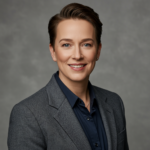
For Master Sergeant Elena Rodriguez, retirement from the Air Force after 22 years felt less like an ending and more like a beginning, though not one without its own unique challenges. She had spent decades managing complex logistics for global operations, ensuring critical supplies reached their destinations under immense pressure. Now, back in her hometown of Savannah, Georgia, the transition to civilian life presented a different kind of mission: finding purpose beyond the uniform. Elena’s story is a powerful illustration of how veteran volunteering offers a vital pathway for continuing service in civilian life, transforming individuals and communities alike. But how do veterans like Elena translate their specialized skills into meaningful civic engagement?
Key Takeaways
- Veterans often possess invaluable leadership, problem-solving, and team-building skills directly transferable to volunteer roles.
- Identifying volunteer opportunities that align with a veteran’s specific military occupational specialty (MOS) or passions can lead to more fulfilling engagement.
- Community organizations, particularly those focused on disaster relief or youth mentorship, frequently seek the unique capabilities veterans offer.
- Networking with other veterans and local civic groups can unlock a wide range of volunteer pathways and support systems.
- Sustained civic engagement can significantly improve a veteran’s post-service well-being and sense of belonging.
Elena initially found herself adrift. The rigid structure and clear objectives of military life were gone, replaced by a civilian rhythm that felt unstructured and, at times, isolating. “I missed the sense of immediate impact,” she confided during a recent interview at the Chatham County Veterans Affairs Office. “In the Air Force, every task, no matter how small, contributed to a larger, vital mission. Here, I felt like I was just… observing.” This sentiment is not uncommon. A 2024 report by the Department of Veterans Affairs indicated that nearly 30% of recently transitioned veterans report difficulties finding a sense of purpose comparable to their military service. This gap highlights a critical area where volunteerism can bridge the divide.
Her daughter, a student at Savannah Arts Academy, suggested she look into local organizations. Elena, always one to carefully research, started exploring options. She wasn’t looking for just any volunteer work. She wanted something that would tap into her deep well of experience in logistics and project management. She stumbled upon the American Red Cross of Southeast Georgia, specifically their disaster services unit. Their need for volunteers to help coordinate relief efforts during hurricane season immediately caught her attention. This was a challenge she understood.
The first few weeks were a revelation. Elena found herself in familiar territory, albeit with different uniforms and resources. She began organizing warehousing for emergency supplies, optimizing delivery routes to shelters across coastal Georgia, and training new volunteers on inventory management. Her ability to quickly assess chaotic situations, prioritize needs, and delegate tasks with calm authority was a direct carryover from her military career. “It wasn’t just about moving boxes,” Elena explained. “It was about ensuring families displaced by a storm received clean water and blankets. It was about applying decades of strategic planning to a very real, very human problem right here in our community.”
The Unseen Value of Military Skills in Civilian Service
What Elena experienced is a prime example of the powerful teamwork between military training and civilian civic engagement. Veterans bring a unique set of attributes that are often overlooked in traditional civilian hiring processes but are invaluable in volunteer settings. These include:
- Leadership and Teamwork: Decades of leading diverse teams under pressure instill an innate ability to motivate, delegate, and collaborate effectively.
- Problem-Solving: Military operations demand adaptive thinking and quick decision-making in complex, often unpredictable environments.
- Discipline and Reliability: A strong work ethic and commitment to mission accomplishment are hallmarks of military service.
- Cross-Cultural Competence: Deployments expose service members to a vast array of cultures, fostering adaptability and empathy.
- Technical Skills: Many military occupational specialties (MOS) translate directly to civilian needs, from medical support to IT and logistics, as in Elena’s case.
Dr. Marcus Thorne, a sociologist specializing in veteran reintegration at Georgia Southern University’s Armstrong Campus, emphasizes this point. “We often focus on the physical and psychological challenges of transition, and those are real,” Dr. Thorne stated in a recent symposium. “But we must also recognize the immense human capital that veterans represent. Their training isn’t just about combat. It’s about structured problem-solving, resilience, and an unwavering commitment to a cause larger than oneself. These are precisely the qualities that fortify our non-profit sector and community initiatives.”
Elena’s experience with the Red Cross quickly evolved. Her careful organizational skills were so effective that she was asked to help develop a new regional training program for disaster preparedness volunteers. This involved creating curriculum, scheduling exercises, and coordinating with local emergency services, including the Savannah Fire Department and the Chatham Emergency Management Agency. This was far more than just “volunteering”. It was genuine veteran leadership, a continuation of her life’s work.
Veteran homeowners. Want to lower your monthly payments?
See if a VA Cash Out Loan or VA Home Loan can put cash in your pocket or help you buy with $0 down. A specialist will review your options, free.
- VA Cash Out Loan: use up to 100% of your home’s equity
- VA Home Loan: buy a home with $0 down payment
- No cost, no obligation eligibility check





You’re all set.
A VA loan specialist will reach out shortly to review your Home Loan and Cash Out options.
Finding Your Fit: Pathways to Veteran Volunteerism
For veterans considering volunteerism, identifying the right opportunity is key. It’s not about simply signing up for the first available slot. It’s about strategic alignment. Consider your military experience: what were your primary responsibilities? What skills did you hone? Do you enjoy working with people, or are you more inclined towards administrative or technical tasks?
Organizations like Team Rubicon, which mobilizes veterans for disaster relief operations, are a natural fit for many. Others might find purpose in mentoring youth through programs like the Boys & Girls Clubs of America, where their leadership and life experience can guide younger generations. Environmental conservation groups, historical societies, and even local government advisory boards can all benefit from a veteran’s perspective and dedication. The key is to find a mission that resonates.
One common misconception is that volunteer work is purely altruistic with no personal benefit. For veterans, however, the benefits extend far beyond giving back. Engaging in meaningful volunteer activities can:
- Foster a Sense of Purpose: Replicates the mission-driven environment of military service.
- Build New Networks: Connects veterans with civilians who share similar values and goals, combating isolation.
- Enhance Mental Well-being: Studies consistently show a correlation between volunteerism and reduced symptoms of depression and anxiety. A 2023 study published in the Journal of the American Medical Association Psychiatry found that sustained civic engagement in older adults, including veterans, was associated with improved cognitive function and lower rates of loneliness.
- Develop New Skills: While using existing skills, volunteers often learn new ones, aiding in personal and professional growth.
- Improve Physical Health: Active volunteer roles can encourage physical activity and a healthier lifestyle.
Elena certainly felt these benefits. She found herself more engaged, more connected to her community, and, importantly, she felt that familiar sense of purpose returning. Her weekends were no longer empty. They were filled with training sessions, logistical planning, and, during emergencies, the intense satisfaction of helping people in their most vulnerable moments. She even started jogging again, finding that the physical exertion helped clear her mind after a day of coordinating relief efforts.
Overcoming Barriers to Entry
While the desire to serve remains strong for many veterans, barriers can exist. Sometimes it’s simply not knowing where to start. Other times, it’s the financial pressures of civilian life that make it difficult to commit time without pay. However, many organizations are becoming increasingly aware of these challenges and are working to create more accessible volunteer opportunities.
For instance, some non-profits offer flexible schedules, allowing veterans to volunteer around work or family commitments. Others provide specialized training that can even lead to certifications useful in the civilian job market. The AmeriCorps Seniors program, for example, offers stipends for older adults, including veterans, who commit to significant volunteer hours, providing a modest financial incentive while still allowing them to contribute meaningfully.
Elena, now two years into her volunteer work with the Red Cross, has become a foundation of their disaster response team in Savannah. She often mentors newer volunteers, sharing her wisdom not just on logistics, but on leadership and resilience. She even inspired two other veterans in her neighborhood, both struggling with their own transitions, to join her in volunteering. They now work together, a small, dedicated team bringing order to chaos, just as they once did in uniform. It’s a powerful ripple effect.
Her story shows a fundamental truth: military service instills a deep sense of duty and a capability for impactful action that doesn’t simply vanish with a discharge. It simply seeks a new outlet. For Elena, that outlet was found in the heart of her community, where her dedication to service continues to make a tangible difference.
The journey from military service to civilian community service is proof of the enduring spirit of those who have worn the uniform. It’s a path that offers not only continued contribution but also deep personal fulfillment. For any veteran seeking purpose in their post-service life, exploring volunteer opportunities is not just an option, it is a vital mission waiting to be embraced. Also, for those looking for employment, understanding ATS resume wins for 2026 jobs can be an important step in translating military skills into civilian career success.
What specific skills do veterans bring to volunteer roles?
Veterans bring a diverse array of skills, including exceptional leadership, problem-solving under pressure, careful planning and execution, strong teamwork, adaptability, and reliability. Many also possess specialized technical skills from their military occupational specialties.
How can veterans find volunteer opportunities that match their military experience?
Veterans can start by reflecting on their military roles and identifying transferable skills. They can then research organizations focused on areas like disaster relief (e.g., Team Rubicon), youth mentorship, environmental conservation, or veteran support, often finding roles that directly align with their expertise.
What are the personal benefits for veterans who engage in volunteerism?
Engaging in volunteerism provides veterans with a renewed sense of purpose, combats social isolation by building new community networks, enhances mental well-being by reducing stress and fostering positive emotions, and can even improve physical health through active roles.
Are there organizations specifically dedicated to helping veterans find volunteer roles?
Yes, several organizations focus on connecting veterans with volunteer opportunities. Examples include Team Rubicon, The Mission Continues, and various local Veterans Affairs offices that often have partnerships with community groups seeking veteran volunteers.
Do volunteer roles offer any professional development or career transition support for veterans?
While not their primary goal, many volunteer roles can offer valuable professional development. Veterans can gain new civilian-sector experience, expand their professional network, and even acquire certifications through specialized volunteer training, all of which can aid in career transition.