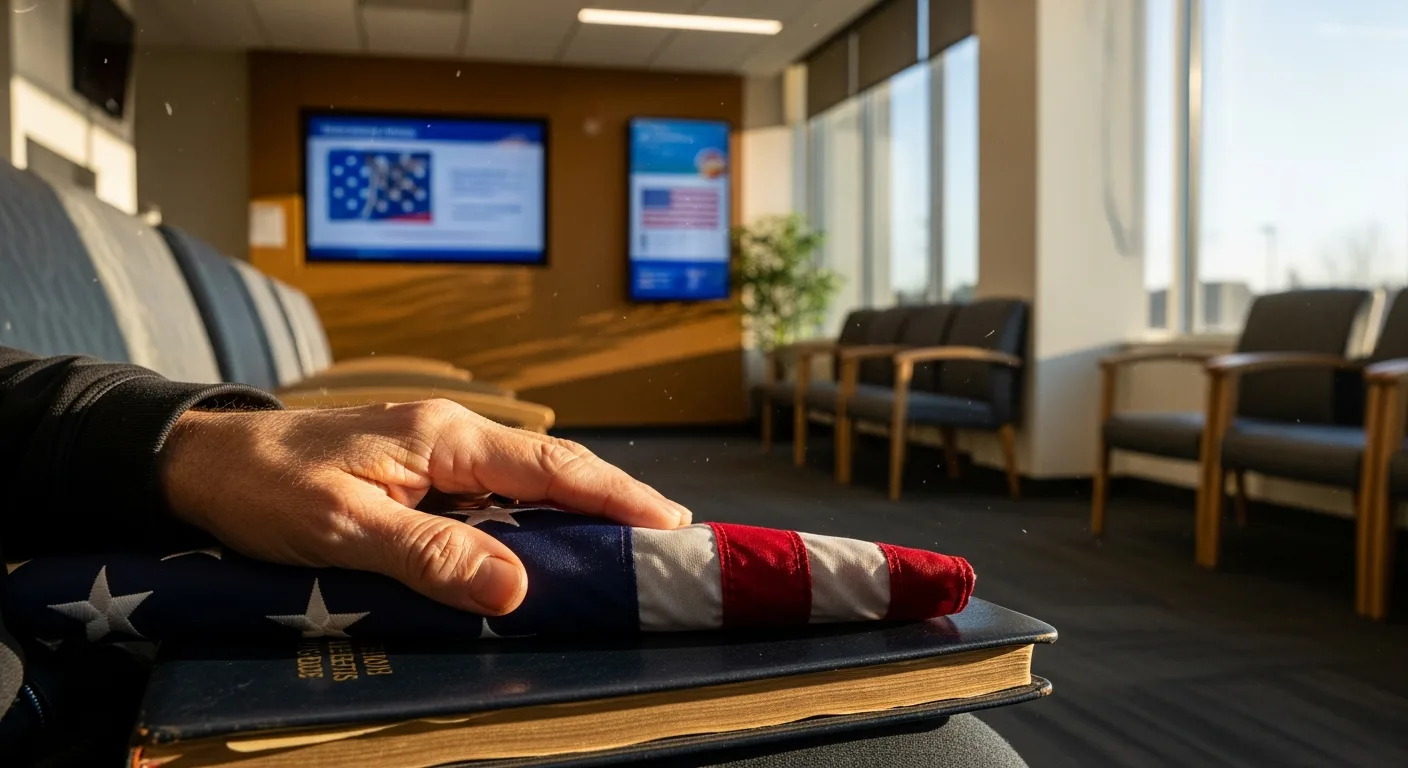
Advocating for Veterans: How New Policies are Impacting Access to Care
Veteran advocacy is essential to ensuring those who served our country receive the care and benefits they deserve. Recent shifts in healthcare policy and evolving government regulations are creating both opportunities and challenges for veterans seeking medical assistance. Are these changes truly improving access to care, or are they adding more hurdles for those who have already sacrificed so much?
Understanding Changes in Veteran Healthcare Policy
The veteran healthcare landscape is constantly evolving, influenced by new legislation, budgetary allocations, and shifting priorities within the Department of Veterans Affairs (VA). Understanding these changes is crucial for effective veteran advocacy. One significant development in 2025 was the expansion of the VA‘s telehealth services. This expansion aimed to improve access to care for veterans in rural areas or those with mobility challenges. However, the implementation has faced hurdles, including ensuring adequate broadband access and training for both providers and patients.
Another key policy shift involves the ongoing efforts to streamline the VA’s claims process. Historically, veterans have faced significant delays and bureaucratic obstacles when filing claims for disability compensation or healthcare benefits. New initiatives are focused on digitizing records, improving communication between different VA departments, and providing clearer guidance to veterans on how to navigate the system. While progress has been made, the backlog of pending claims remains a concern.
Furthermore, there has been increased emphasis on mental health services for veterans. The VA has launched several programs aimed at addressing PTSD, depression, and other mental health conditions. These programs include individual and group therapy, medication management, and specialized care for veterans who have experienced military sexual trauma. Despite these efforts, access to mental health services remains a challenge in some areas, particularly for veterans who are not enrolled in the VA healthcare system.
According to a 2026 report by the Congressional Budget Office, funding for veteran healthcare has increased by 15% over the past five years, reflecting a growing recognition of the need to support those who have served.
Navigating Government Regulations and Bureaucracy
One of the biggest challenges for veterans seeking healthcare is navigating the complex web of government regulations and bureaucratic processes. The VA system, while intended to provide comprehensive care, can be difficult to understand and access. Veterans often face long wait times, confusing paperwork, and inconsistent information. Veteran advocacy groups play a critical role in helping veterans navigate these challenges.
Here are some practical steps veterans can take to navigate the VA system more effectively:
- Enroll in the VA healthcare system: This is the first step towards accessing VA medical services. Veterans can enroll online, by mail, or in person at a VA facility.
- Understand your eligibility: Eligibility for VA healthcare depends on factors such as length of service, disability status, and income. Understanding these criteria can help veterans determine their eligibility for specific benefits.
- Gather your documentation: When filing claims or seeking healthcare, it’s essential to have all relevant documentation, including military records, medical records, and proof of service.
- Seek assistance from a Veteran Service Officer (VSO): VSOs are trained professionals who can help veterans navigate the VA system, file claims, and access benefits. Organizations like the Disabled American Veterans (DAV) and the American Legion provide VSO services.
- Appeal denied claims: If a claim is denied, veterans have the right to appeal the decision. VSOs can assist with the appeals process.
It’s also important for veterans to be aware of their rights and responsibilities within the VA system. This includes the right to privacy, the right to quality care, and the responsibility to provide accurate information to the VA.
The Role of Veteran Advocacy Groups
Veteran advocacy groups are essential partners in ensuring veterans receive the care and support they need. These organizations work tirelessly to advocate for policy changes, provide direct assistance to veterans, and raise awareness of the challenges facing the veteran community. They serve as a crucial bridge between veterans and the government, helping to navigate the complexities of the VA system and advocate for their rights.
Many different types of veteran advocacy groups exist, each with its own focus and mission. Some organizations specialize in specific issues, such as mental health, disability rights, or homelessness. Others provide a broader range of services, including legal assistance, financial counseling, and job training.
Here are some examples of how veteran advocacy groups make a difference:
- Lobbying for policy changes: Advocacy groups work to influence legislation and regulations that affect veterans’ healthcare, benefits, and other issues.
- Providing direct assistance to veterans: Many groups offer services such as case management, legal assistance, and financial aid to veterans in need.
- Raising awareness of veteran issues: Advocacy groups conduct public awareness campaigns to educate the public about the challenges facing veterans and to promote support for the veteran community.
- Supporting veteran-owned businesses: Some organizations focus on helping veterans start and grow their own businesses, providing resources, training, and mentorship.
Veterans can get involved with advocacy groups in a variety of ways, including volunteering, donating, and participating in advocacy campaigns.
Addressing Barriers to Accessing Mental Healthcare
One of the most pressing issues facing the veteran community is access to mental healthcare. Veterans are at a higher risk of developing mental health conditions such as PTSD, depression, and anxiety, often as a result of their experiences during military service. However, many veterans face significant barriers to accessing the mental healthcare they need.
Some of the key barriers include:
- Stigma: Many veterans are reluctant to seek mental healthcare due to the stigma associated with mental illness. They may fear being judged or discriminated against.
- Lack of awareness: Some veterans are not aware of the mental health services available to them or how to access them.
- Geographic limitations: Veterans in rural areas may have limited access to mental healthcare providers.
- Wait times: Long wait times for appointments can discourage veterans from seeking care.
- Administrative hurdles: Navigating the VA system to access mental healthcare can be complex and confusing.
To address these barriers, several strategies are being implemented. The VA is working to reduce stigma by promoting mental health awareness and education. Telehealth services are expanding access to care for veterans in rural areas. Efforts are also underway to reduce wait times and streamline the administrative process. Veteran advocacy groups are playing a critical role in raising awareness of mental health issues and advocating for improved access to care.
A 2025 study published in the Journal of Traumatic Stress found that veterans who received timely and effective mental healthcare were significantly more likely to experience improved mental health outcomes and reduced risk of suicide.
The Future of Veteran Healthcare Policy and Advocacy
Looking ahead, the future of veteran healthcare policy and veteran advocacy will likely be shaped by several key trends. One trend is the increasing use of technology to improve access to care. Telehealth, mobile health apps, and wearable devices are all being used to deliver healthcare services to veterans remotely. Another trend is the growing emphasis on personalized medicine, which involves tailoring treatment plans to the individual needs of each veteran. This approach takes into account factors such as genetics, lifestyle, and medical history.
Artificial intelligence (AI) is also playing an increasingly important role in veteran healthcare. AI is being used to analyze large datasets of patient information to identify patterns and predict health outcomes. This can help healthcare providers make more informed decisions about treatment and prevention. For example, IBM is partnering with the VA on projects to use AI to improve the diagnosis and treatment of PTSD.
Government regulations will continue to evolve in response to these trends. Policymakers will need to address issues such as data privacy, cybersecurity, and the ethical implications of using AI in healthcare. Healthcare policy must also adapt to the changing needs of the veteran population, including the increasing number of women veterans and the growing diversity of the veteran community. Effective veteran advocacy will be essential to ensure that these policies are fair, equitable, and responsive to the needs of all veterans.
What is the first step a veteran should take to access VA healthcare?
The first step is to enroll in the VA healthcare system. This can be done online, by mail, or in person at a VA facility.
How can a Veteran Service Officer (VSO) help me?
VSOs are trained professionals who can help veterans navigate the VA system, file claims for benefits, and appeal denied claims.
What are some common barriers to accessing mental healthcare for veterans?
Common barriers include stigma, lack of awareness, geographic limitations, long wait times, and administrative hurdles.
What is telehealth, and how can it help veterans?
Telehealth uses technology to deliver healthcare services remotely. It can improve access to care for veterans in rural areas or those with mobility challenges.
How can I get involved in veteran advocacy?
You can get involved by volunteering with a veteran advocacy group, donating to a veteran-related cause, or participating in advocacy campaigns. Contact your local veteran organizations to learn more.
Conclusion
Veteran advocacy remains critical in ensuring that those who served our country receive the healthcare they deserve. The evolving landscape of healthcare policy and government regulations presents both opportunities and challenges. By understanding these changes, navigating the VA system effectively, and supporting veteran advocacy groups, we can collectively work to improve access to care for all veterans. The most immediate action you can take is to research local Veteran Service Officers and share their contact information with veterans you know.