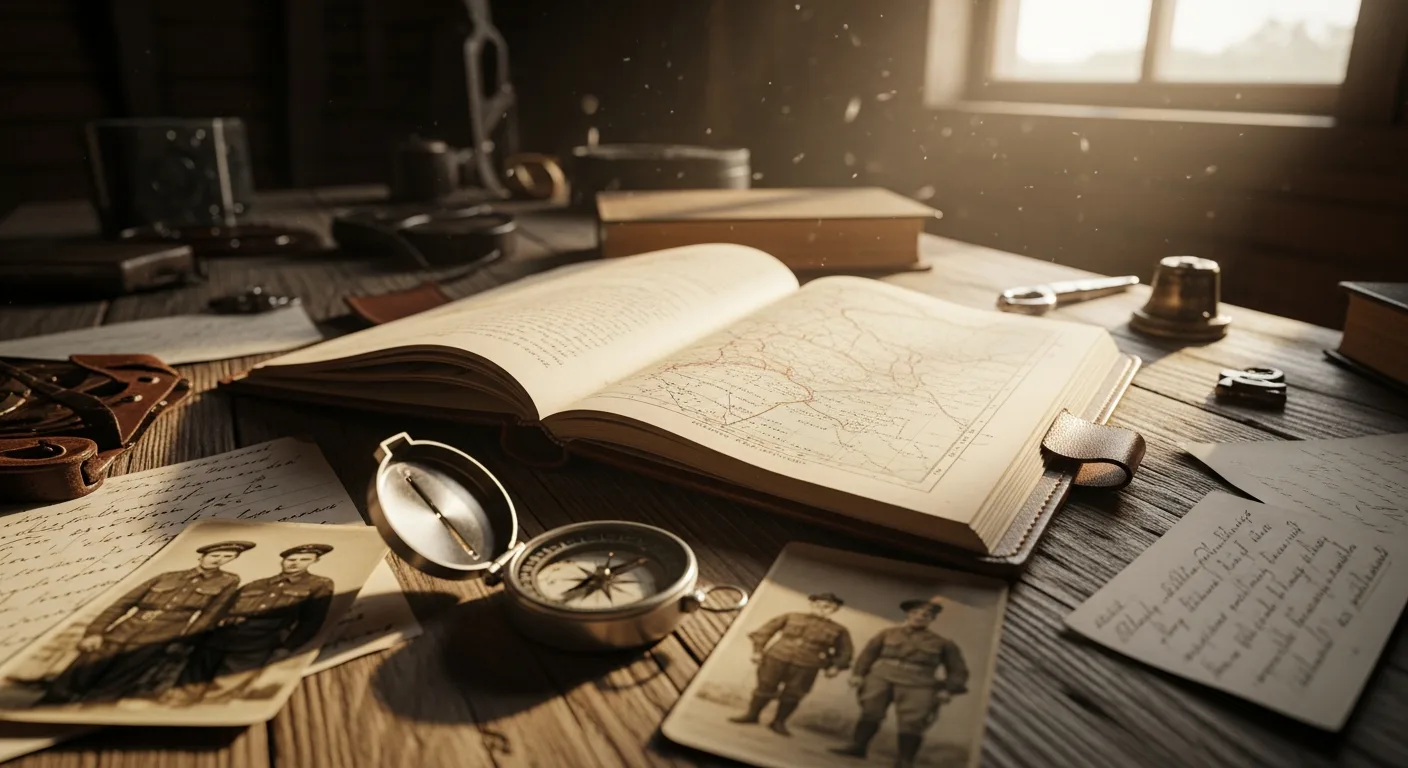
The annals of military history are filled with tales of grand strategies and famous victories. But what about the battles relegated to the footnotes, the ones whose significance has been overshadowed by more prominent conflicts? These forgotten battles often hold vital lessons, revealing the true grit and sacrifice that shaped modern warfare. Are we truly remembering all those who served and the pivotal moments that defined our world?
Unearthing Forgotten War Stories
Every war leaves behind countless stories, many of which fade with time. These narratives, often overlooked in mainstream historical accounts, provide invaluable insights into the human experience of conflict. They illuminate the bravery, resilience, and ingenuity displayed by soldiers in the face of adversity. Unearthing these war stories is not just about preserving history; it’s about honoring the sacrifices made and learning from the past.
Consider the Battle of Choluteca, a relatively minor engagement during the Football War between El Salvador and Honduras in 1969. While the war itself is often dismissed as a brief and somewhat farcical conflict, the Battle of Choluteca showcased incredible resourcefulness on the part of the Salvadoran forces. Outnumbered and facing a more heavily armed Honduran army, they utilized improvised tactics and captured equipment to secure a crucial victory. This victory, though small in the grand scheme of the war, significantly boosted morale and allowed El Salvador to maintain its offensive.
Or take the story of the “Devil’s Brigade,” officially known as the 1st Special Service Force, during World War II. This joint American-Canadian unit was tasked with highly dangerous missions, often operating behind enemy lines. Their exploits, though initially classified and largely forgotten after the war, involved daring raids, sabotage, and reconnaissance that significantly disrupted German operations in Italy and Southern France. Their unconventional tactics and unwavering courage paved the way for Allied advances.
These are just two examples of the many forgotten battles and units that deserve recognition. Their stories, often filled with acts of individual heroism and collective resilience, provide a more complete and nuanced understanding of military history.
The Battle of An Najaf: A Crucial Historical Account
The 2004 Battle of An Najaf, part of the Iraq War, is a prime example of a battle whose significance has been somewhat downplayed in broader historical accounts. While the overall Iraq War has been extensively documented, the specific details and strategic importance of the Battle of An Najaf are often overlooked. This battle, fought between Coalition forces (primarily American and Iraqi) and the Mahdi Army, a Shia militia loyal to Muqtada al-Sadr, had profound implications for the future of Iraq and the stability of the region.
The fighting in An Najaf was intense and protracted. The Mahdi Army, though less well-equipped than the Coalition forces, held a significant advantage in terms of local knowledge and popular support. They utilized urban warfare tactics, ambushes, and improvised explosive devices (IEDs) to inflict casualties and disrupt Coalition operations. The battle centered around the Imam Ali Shrine, one of the holiest sites in Shia Islam. This religious significance added another layer of complexity to the conflict, as Coalition forces were under strict orders to avoid damaging the shrine.
The battle lasted for several weeks and resulted in significant casualties on both sides. The Coalition forces, led by the 1st Cavalry Division and the Iraqi National Guard, eventually managed to secure the city, but only after a grueling and costly campaign. The victory in An Najaf was crucial for several reasons:
- It weakened the Mahdi Army: The battle significantly weakened the Mahdi Army’s ability to challenge the authority of the Iraqi government and the Coalition forces.
- It restored government control: The victory allowed the Iraqi government to reassert its control over An Najaf, a strategically important city and a major center of Shia religious and political influence.
- It prevented further escalation: Had the Mahdi Army been successful in holding An Najaf, it could have sparked a wider Shia uprising across Iraq, potentially leading to a full-blown civil war.
Despite its importance, the Battle of An Najaf is often overshadowed by other events in the Iraq War. However, its impact on the course of the conflict and the future of Iraq cannot be overstated. It serves as a reminder of the complexities of modern warfare and the importance of understanding the local context and cultural sensitivities.
Tactical Innovations from Overlooked Military History
Forgotten battles often serve as incubators for tactical innovations. When resources are scarce and the odds are stacked against them, soldiers are forced to think outside the box and develop new and creative ways to overcome their adversaries. Studying these instances of tactical ingenuity can provide valuable lessons for modern military strategists. Examining military history through this lens reveals a treasure trove of adaptable strategies.
For example, during the Winter War between Finland and the Soviet Union (1939-1940), the Finnish army, vastly outnumbered and outgunned, employed a number of innovative tactics to slow down and inflict heavy casualties on the invading Soviet forces. One of the most famous of these tactics was the “motti” strategy. This involved encircling and isolating small pockets of Soviet troops, cutting off their supply lines, and then systematically destroying them. The Finns also made extensive use of camouflage, skis, and guerrilla warfare tactics to harass and ambush the enemy.
Another example comes from the Vietnam War. The Viet Cong, facing a technologically superior American military, relied heavily on guerrilla warfare tactics, including ambushes, booby traps, and tunnel systems. They also developed sophisticated logistics networks to supply their forces and evade detection. These tactics, though unconventional, proved highly effective in wearing down the American military and ultimately contributing to the American withdrawal from Vietnam.
These examples demonstrate that tactical innovation is often born out of necessity. When faced with overwhelming odds, soldiers are forced to adapt and improvise, often leading to the development of new and effective strategies. Studying these instances of tactical ingenuity can provide valuable insights for modern military planners and help them prepare for the challenges of future conflicts.
Honoring Veterans Through Accurate Historical Accounts
Providing accurate and complete historical accounts of all battles, including the forgotten ones, is crucial for honoring the service and sacrifice of veterans. When battles are overlooked or downplayed, the contributions of the soldiers who fought in them are often forgotten as well. This can lead to feelings of resentment and disillusionment among veterans, who may feel that their service has not been properly recognized.
Moreover, accurate historical accounts are essential for ensuring that future generations understand the true cost of war and the sacrifices made by those who serve. By studying the forgotten battles, we can gain a deeper appreciation for the challenges and complexities of military conflict and learn valuable lessons about leadership, strategy, and the human cost of war. This understanding is crucial for informing future policy decisions and preventing future conflicts.
Several organizations are dedicated to preserving and sharing the stories of veterans and forgotten battles. The U.S. Department of Veterans Affairs (VA) provides resources and support for veterans, including programs that help them share their stories and connect with other veterans. The Department of Defense (DoD) also maintains extensive archives of military records and historical documents, which are available to researchers and the public.
Additionally, many museums and historical societies are dedicated to preserving and sharing the stories of military history. These institutions often host exhibits, lectures, and other events that help educate the public about the sacrifices made by veterans and the importance of remembering the past.
According to a 2024 study by the Pew Research Center, 76% of veterans believe that the public does not understand the challenges they face, highlighting the need for increased awareness and understanding of military history.
The Enduring Relevance of War Stories
The lessons gleaned from even the smallest, most obscure war stories remain relevant in today’s world. Modern warfare is constantly evolving, with new technologies and tactics emerging all the time. However, the fundamental principles of warfare – leadership, strategy, logistics, and the human element – remain constant. By studying the forgotten battles, we can gain a deeper understanding of these principles and apply them to the challenges of modern conflict.
For example, the Battle of An Najaf provides valuable lessons about the importance of understanding the local context and cultural sensitivities in modern warfare. The Coalition forces’ efforts to avoid damaging the Imam Ali Shrine demonstrate the need to be mindful of religious and cultural sites when conducting military operations. Similarly, the Finnish army’s success in the Winter War highlights the importance of adaptability and innovation in the face of overwhelming odds.
Furthermore, the stories of individual soldiers who fought in the forgotten battles can provide inspiration and guidance for future generations of military leaders. These stories demonstrate the importance of courage, resilience, and determination in the face of adversity. They also highlight the human cost of war and the sacrifices made by those who serve.
By studying the forgotten battles and sharing the stories of the soldiers who fought in them, we can ensure that their sacrifices are not forgotten and that their lessons are not lost. This is essential for honoring the past and preparing for the future.
In conclusion, exploring these lesser-known conflicts reveals crucial lessons about resilience, adaptability, and the human cost of war. By acknowledging these often-overlooked events, we not only honor the sacrifices of veterans but also gain a more comprehensive understanding of military history. Let’s commit to researching and sharing these untold stories to ensure that the valor displayed in forgotten battles is never truly forgotten, ensuring future generations understand the complete picture of conflict.
Why is it important to study forgotten battles?
Studying forgotten battles provides a more complete understanding of military history, honors the sacrifices of veterans involved, and reveals valuable lessons about strategy, leadership, and the human element of conflict.
What are some examples of tactical innovations that emerged from forgotten battles?
Examples include the Finnish “motti” strategy in the Winter War, which involved encircling and isolating enemy troops, and the Viet Cong’s use of guerrilla warfare tactics and tunnel systems in the Vietnam War.
How can accurate historical accounts help veterans?
Accurate historical accounts ensure that the contributions of veterans are recognized and valued, preventing feelings of resentment and disillusionment. It also helps the public understand the challenges they faced.
What was the significance of the Battle of An Najaf?
The Battle of An Najaf was crucial for weakening the Mahdi Army, restoring government control in An Najaf, and preventing a wider Shia uprising in Iraq. It also highlighted the importance of understanding local context and cultural sensitivities in modern warfare.
Where can I find more information about forgotten battles and veterans’ stories?
You can find information at the U.S. Department of Veterans Affairs, the Department of Defense, museums, historical societies, and through various online resources dedicated to military history.