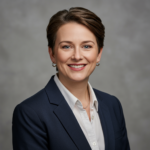
In the quiet heart of Appalachia, nestled within the rolling hills of North Georgia, the small town of Ellijay faced a familiar struggle: a dwindling workforce, an aging population, and a palpable sense of economic stagnation. This wasn’t just about preserving a way of life. It was about survival for local businesses and families. That’s where Sarah Jenkins, a Marine Corps veteran, stepped in with a vision for veteran initiatives to spark rural development and drive community change.
Key Takeaways
- Veterans possess critical leadership and problem-solving skills directly transferable to rural economic challenges.
- Targeted programs, like the Appalachian Veterans Economic Development Initiative, provide essential funding and mentorship for veteran-owned businesses in underserved areas.
- Collaborating with local government and established organizations accelerates project implementation and resource allocation for community-led initiatives.
- Rural veteran entrepreneurs often create jobs, stimulate local economies, and attract new residents, reversing negative demographic trends.
- Successful veteran-led rural development projects frequently focus on sustainable agriculture, skilled trades, and technology integration.
Sarah, after two tours overseas, returned to Ellijay only to find her hometown struggling to retain its young people. The local lumber mill, once a primary employer, had scaled back operations significantly. Main Street storefronts sat empty. She saw the potential, though, in the town’s strong sense of community and the untapped talent of its veteran population. “We have a resilience ingrained in us,” Sarah often said, “a drive to complete the mission, no matter the obstacles.”
Her initial idea was straightforward: create a training program connecting veterans with the burgeoning demand for skilled trades in the region, particularly in construction and renewable energy. This wasn’t a novel concept, but Sarah’s approach was different. She understood that many veterans, especially those from combat zones, struggled with reintegration and finding purpose. A job alone wasn’t enough. They needed a renewed sense of belonging and contribution.
The first hurdle was funding. Grant applications for rural development are notoriously competitive, and Sarah’s fledgling organization, “Gilmer County Veterans United,” had no track record. She spent months researching, eventually discovering the USDA Rural Economic Development Loan & Grant Program. This program, while complex, offered the kind of capital injection necessary to launch a serious initiative. The application process demanded careful planning, detailed budgets, and a clear articulation of how the project would generate measurable economic impact. Many small organizations give up at this stage, deterred by the sheer volume of paperwork and the perceived bureaucracy. Sarah pushed through.
She partnered with the Gilmer County Chamber of Commerce and the local technical college, North Georgia Technical College, to develop a curriculum. This curriculum focused on certifications in carpentry, electrical work, and solar panel installation. The Chamber provided essential data on local labor market needs, confirming a significant shortage of skilled tradespeople. The college offered its facilities and instructors, reducing the startup costs considerably. This collaborative model, bringing together civic, educational, and veteran groups, proved to be a powerful force.
One of the first veterans to enroll was Mark Jensen, a former Army medic. Mark had returned from Afghanistan with an honorable discharge but struggled to adapt to civilian life. He’d worked odd jobs, but nothing offered a sense of stability or purpose. “I felt adrift,” Mark admitted during one of the program’s initial workshops. “The structure, the camaraderie, it was all missing.” Sarah’s program offered him a path. Not just a certificate, but a community.
The training wasn’t just technical. Sarah integrated modules on small business management, financial literacy, and even mental health resources, recognizing that well-rounded support was paramount. She brought in local entrepreneurs to share their experiences, providing practical advice on everything from securing initial contracts to marketing services in a rural area. This emphasis on entrepreneurship was a deliberate choice. Sarah believed that helping veterans to start their own businesses would create a multiplier effect, generating more jobs and keeping capital within the community.
Veteran homeowners. Want to lower your monthly payments?
See if a VA Cash Out Loan or VA Home Loan can put cash in your pocket or help you buy with $0 down. A specialist will review your options, free.
- VA Cash Out Loan: use up to 100% of your home’s equity
- VA Home Loan: buy a home with $0 down payment
- No cost, no obligation eligibility check





You’re all set.
A VA loan specialist will reach out shortly to review your Home Loan and Cash Out options.
After six months, Mark and eight other veterans graduated. They immediately formed “Appalachian Veteran Builders,” a cooperative that pooled their skills and resources. Their first major project was renovating several dilapidated homes in downtown Ellijay, transforming them into affordable housing units. This not only provided work for the veterans but also addressed a critical housing shortage in the area, a common problem in many rural communities. The project received widespread support from local residents, who saw tangible improvements in their town.
The economic ripple effect was undeniable. Appalachian Veteran Builders secured contracts for new construction projects, including a small solar farm on the outskirts of town. Their success attracted other veterans to Ellijay, some from neighboring counties, seeking similar opportunities. The local hardware store saw an uptick in sales. The demand for local services, from accounting to marketing, also increased. It wasn’t an overnight transformation, but a steady, incremental growth driven by focused effort.
From an economic development perspective, Sarah’s initiative demonstrated a critical principle: investing in human capital, particularly a demographic as skilled and disciplined as veterans, yields significant returns. According to a 2023 report by the U.S. Small Business Administration, veteran-owned businesses contribute substantially to the economy, often showing higher survival rates than non-veteran businesses. This resilience is particularly valuable in rural areas where economic volatility can be a major concern.
One of the less obvious, but equally important, outcomes was the revitalization of community spirit. The veterans, once isolated, became active participants in local events, volunteering for civic projects and mentoring younger residents. Mark Jensen, for instance, started a weekend workshop teaching basic carpentry skills to high school students, inspiring a new generation to consider skilled trades. This kind of intergenerational transfer of knowledge and skill is invaluable for long-term rural sustainability.
However, the journey wasn’t without its challenges. Working through local zoning regulations for new construction proved complex, requiring Sarah to spend hours meeting with county commissioners and planning boards. Securing insurance for a new cooperative presented another hurdle, as many providers were unfamiliar with their unique structure. These administrative obstacles often deter promising initiatives, but Sarah’s military training in persistence and problem-solving proved important. She carefully documented their processes, showcased their safety records, and in the end found an insurer willing to work with them.
Another challenge was managing growth. As Appalachian Veteran Builders gained more contracts, they needed more skilled hands. This led Sarah to expand the training program, securing additional funding from the U.S. Department of Labor’s Veterans’ Employment and Training Service (VETS). This expansion allowed them to offer specialized training in areas like HVAC and plumbing, further diversifying their services and meeting additional community needs. The key, Sarah insisted, was to remain agile and responsive to the evolving demands of the local market.
The success in Ellijay is proof of the power of veteran-led initiatives in rural America. It demonstrates that with targeted support, strategic partnerships, and unwavering dedication, veterans can not only rebuild their own lives but also become catalysts for deep community transformation. Their leadership, discipline, and commitment to service are precisely the qualities needed to tackle the complex challenges facing rural areas today. It’s an investment in people that pays dividends for an entire region.
The Ellijay model is now being studied by other rural communities in Georgia facing similar economic headwinds. Sarah Jenkins, once just a returning veteran, has become a recognized expert in rural veteran economic development, frequently invited to speak at conferences and advise other counties. Her work illustrates a powerful truth: the solutions to our most pressing challenges often reside within the communities themselves, waiting for the right leaders to emerge and ignite change.
The story of Ellijay and Appalachian Veteran Builders offers a clear blueprint for other rural communities. Identify your specific needs, help your veteran population, and build strong, collaborative partnerships. This approach doesn’t just create jobs. It encourages a renewed sense of purpose and belonging, strengthening the very fabric of rural life.
What specific skills do veterans bring to rural development initiatives?
Veterans bring a diverse set of skills including strong leadership, problem-solving capabilities, team-building experience, adaptability, and a disciplined work ethic. Many also possess technical expertise acquired during their service, which can be directly applied to various industries in rural areas.
How can rural communities fund veteran-led development projects?
Funding can come from various sources, including federal programs like the USDA Rural Economic Development Loan & Grant Program, grants from the U.S. Department of Labor’s VETS, state economic development agencies, and local philanthropic organizations. Partnerships with local chambers of commerce and community banks can also provide access to capital and resources.
What are common challenges for veteran entrepreneurs in rural areas?
Challenges often include limited access to capital, lack of established business networks, difficulties working through local regulations, and a potential shortage of specialized infrastructure or support services. Addressing these requires strategic planning and community collaboration.
How do veteran initiatives contribute to broader community change beyond economic impact?
Beyond economic benefits, veteran initiatives foster community cohesion, provide mentorship opportunities for younger generations, address social needs like affordable housing, and often revitalize local civic engagement. Veterans often become active volunteers and leaders, strengthening the social fabric of their towns.
Are there specific industries where veteran-led initiatives thrive in rural settings?
Veteran-led initiatives often thrive in industries requiring skilled labor, such as construction, sustainable agriculture, renewable energy installation, manufacturing, and technology services. Their discipline and training make them well-suited for these hands-on, problem-solving sectors.