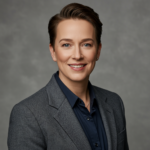
Sergeant Major (Ret.) Marcus Hayes felt the weight of his service every day, not just in his aching knees, but in the silence that followed every Veteran’s Day. He knew countless other veterans in the greater Atlanta area carried similar burdens, their veteran stories untold, their sacrifices unacknowledged. He wanted to change that, to create a space where these stories could be heard and honored. But how could one man, even a Sergeant Major, break through the noise and connect with those who needed it most? Is there a way to preserve these vital accounts of service before they are lost forever?
Key Takeaways
- Documenting veteran stories can improve mental health outcomes by providing a sense of purpose and community, reducing feelings of isolation.
- Community organizations can partner with local libraries and historical societies to create accessible archives of veteran interviews and memorabilia.
- Digital storytelling platforms like StoryCorps StoryCorps and the Library of Congress’s Veterans History Project Veterans History Project offer free resources and guidance for recording and preserving veteran narratives.
The Struggle to Be Heard
Marcus wasn’t alone. Across Georgia, organizations and individuals struggle to capture and share veteran stories effectively. The problem? A combination of factors: lack of resources, difficulty reaching veterans, and the sensitive nature of the stories themselves. Many veterans, particularly those who served in combat zones, are hesitant to revisit traumatic experiences. Others simply don’t believe their stories are “important” enough to share.
I saw this firsthand last year. I was working with a small non-profit in Roswell dedicated to supporting homeless veterans. They wanted to create a website featuring veteran profiles, but they struggled to get participation. The veterans were wary, understandably, of sharing their personal information and experiences online. Overcoming that initial hurdle of trust is paramount.
Marcus knew he needed a different approach. He couldn’t just ask veterans to tell their stories; he had to create an environment where they wanted to share. He envisioned a community center, a place where veterans could gather, connect, and feel comfortable opening up. The Georgia Department of Veterans Service Georgia Department of Veterans Service offers some grant programs, but the competition is fierce.
Building Bridges: Finding the Right Approach
Marcus started small. He partnered with the local VFW post in Marietta and organized a series of informal “coffee and conversation” events. He didn’t pressure anyone to share their veteran stories, but he made it clear that he was there to listen. He started by sharing some of his own experiences, both the good and the bad. He spoke about the camaraderie, the challenges of adjusting to civilian life, and the importance of remembering those who didn’t make it home.
Slowly, cautiously, veterans began to open up. At first, it was just snippets, anecdotes, and shared jokes. But as trust grew, the stories became more personal, more profound. Marcus realized he needed a way to capture these moments, to preserve them for future generations. That’s when he reached out to the Cobb County Public Library Cobb County Public Library.
The Power of Collaboration
The library offered a wealth of resources, including recording equipment, training on oral history techniques, and a dedicated space for interviews. They also had experience in archiving and preserving digital media, ensuring that the veteran stories would be accessible for years to come. The head librarian, Ms. Eleanor Vance, was particularly enthusiastic. She saw the project as a way to connect the library with the community and to honor the service of local veterans.
Veteran homeowners. Want to lower your monthly payments?
See if a VA Cash Out Loan or VA Home Loan can put cash in your pocket or help you buy with $0 down. A specialist will review your options, free.
- VA Cash Out Loan: use up to 100% of your home’s equity
- VA Home Loan: buy a home with $0 down payment
- No cost, no obligation eligibility check





You’re all set.
A VA loan specialist will reach out shortly to review your Home Loan and Cash Out options.
Here’s what nobody tells you: finding the right partners is crucial. Ms. Vance and her team were instrumental in helping Marcus navigate the technical and logistical challenges of the project. They helped him develop a standardized interview protocol, create release forms, and establish a secure digital archive. They even connected him with a local historian who volunteered to help transcribe the interviews.
From Interviews to Impact: A Case Study
Over the next year, Marcus and the library team conducted over 50 interviews with veterans from all branches of the military. They used StoryCorps as a model, focusing on open-ended questions that allowed veterans to share their experiences in their own words. The interviews covered a wide range of topics, from basic training to combat deployments to the challenges of transitioning to civilian life.
One particularly moving interview was with a Vietnam War veteran named Robert. Robert had served as a combat medic in the Mekong Delta and had witnessed horrific scenes of violence and suffering. For decades, he had bottled up his emotions, afraid to talk about his experiences. But during the interview, he finally felt safe enough to open up. He spoke about the soldiers he had tried to save, the friends he had lost, and the lasting impact of the war on his life. By the end of the interview, Robert was visibly relieved. He told Marcus that it was the first time he had ever truly felt heard.
The interviews were then transcribed and made available to the public through the library’s website. They were also used in educational programs at local schools and community centers. The project generated significant media attention, raising awareness about the sacrifices of veterans and the importance of preserving their veteran stories. The impact was undeniable. Veterans felt valued, the community became more informed, and a valuable historical record was created.
The Legal Landscape
When preserving these veteran stories, it’s important to be mindful of privacy and intellectual property rights. Always obtain written consent from the veteran before recording or publishing their story. Make sure the consent form clearly outlines how the interview will be used and who will have access to it. Consult with an attorney if you have any questions about legal compliance. This falls under the umbrella of Georgia’s privacy laws, particularly regarding the handling of personal information.
Lessons Learned and Moving Forward
Marcus’s project wasn’t without its challenges. He faced funding constraints, logistical hurdles, and the emotional toll of listening to traumatic stories. But he persevered, driven by his commitment to honoring the service of his fellow veterans. His success offers valuable lessons for anyone interested in preserving veteran stories:
- Build Trust: Create a safe and supportive environment where veterans feel comfortable sharing their experiences.
- Partner with Experts: Collaborate with libraries, historical societies, and other organizations that have the resources and expertise to support your efforts.
- Use Technology Wisely: Leverage digital tools to record, archive, and share veteran stories effectively.
- Promote Accessibility: Make sure the stories are accessible to the public, both online and in person.
- Be Patient and Persistent: Preserving veteran stories is a long-term commitment that requires dedication and perseverance.
We need more initiatives like Marcus’s. These stories are not just historical records; they are powerful tools for healing, education, and community building. By listening to and honoring the experiences of our veterans, we can create a more just and compassionate society. The Veterans History Project at the Library of Congress Library of Congress is a great place to start researching how to contribute. It is also important to remember the mental health challenges that some veterans face.
Sergeant Major Hayes’ success in Cobb County demonstrates that even small, local initiatives can make a significant difference in the lives of veterans. The key is to start with a genuine desire to listen and to create a space where veterans feel valued and respected. By taking action, you can help ensure that these vital veteran stories are never forgotten. So, what will you do today to honor the service of our veterans?
If you are a veteran in Atlanta, you might want to explore the benefits available in Atlanta to help you get started. Also remember, that we should not be failing our veterans and their families. Finally, if you are an Atlanta veteran looking to buy a home, check out this Atlanta homes guide for veterans.
Why is it important to document veteran stories?
Documenting veteran stories preserves history, honors service, and provides therapeutic benefits for veterans by offering a platform to share their experiences and connect with others.
What are some ethical considerations when collecting veteran stories?
Obtain informed consent, protect privacy, avoid exploitation, and ensure veterans have control over how their stories are used. Respect their wishes if they choose not to share certain details.
What resources are available to help document veteran stories?
Organizations like StoryCorps, the Veterans History Project at the Library of Congress, and local libraries offer resources, training, and equipment to support documentation efforts.
How can I get involved in preserving veteran stories in my community?
Volunteer with local veteran organizations, partner with libraries or historical societies, conduct interviews, or donate to organizations that support veteran storytelling initiatives.
What are some potential challenges when documenting veteran stories?
Challenges include gaining trust, addressing trauma, managing sensitive information, and ensuring accessibility and preservation of the recorded stories.